
Car Recycling & Vehicle Dismantling Guide NZ
What Happens After Your Car Is Collected
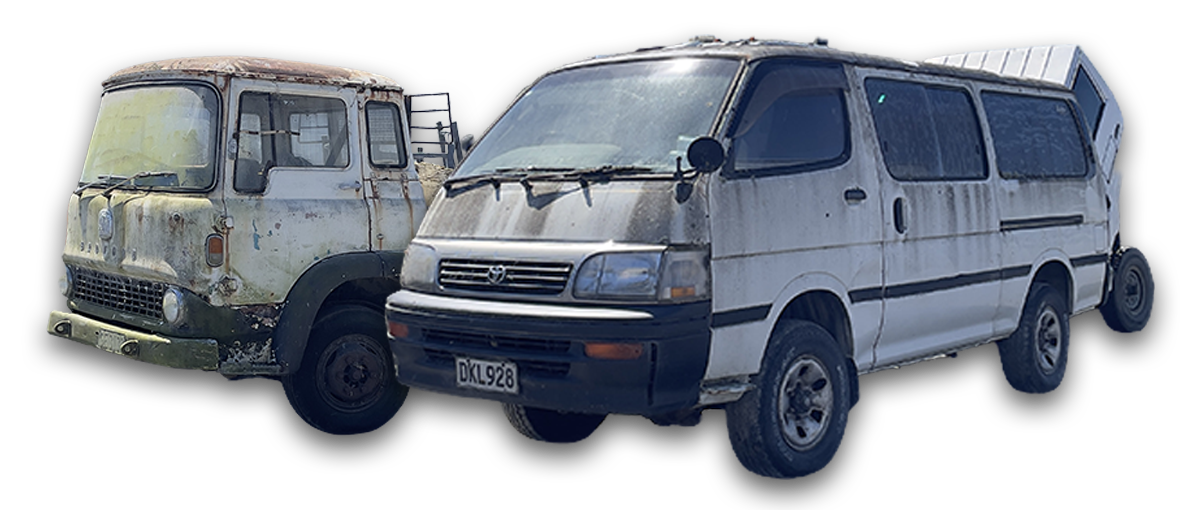
When a car reaches the point where it is no longer worth repairing, selling privately, or keeping on the road, most people only think about one thing: how do I get rid of it?
But there is another important question many vehicle owners ask after that:
What actually happens to my car once it is picked up?
That is where vehicle dismantling and car recycling come in.
A vehicle does not simply disappear after collection. It goes through a process where it is assessed, dismantled, depolluted, stripped for reusable parts, and then recycled as responsibly as possible. For old, damaged, deregistered, accident-affected, and end-of-life vehicles, this is often the most practical and environmentally responsible outcome.
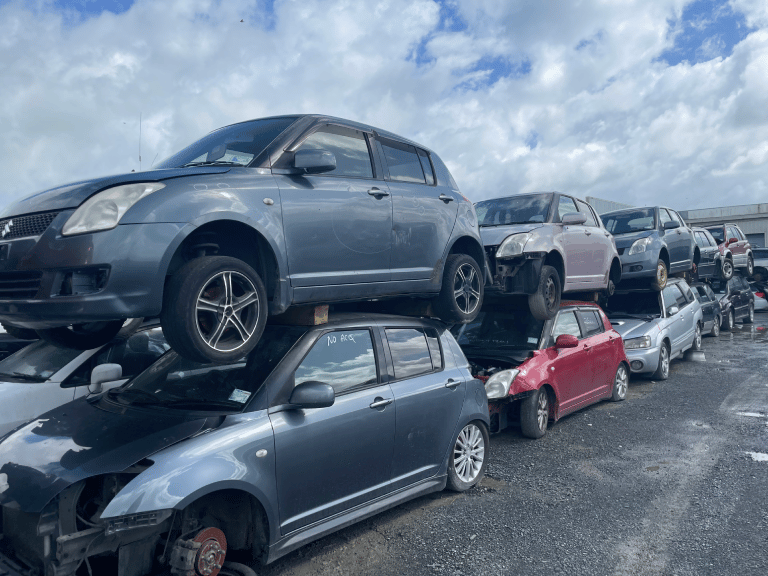
At Auto Wrecker NZ, we help vehicle owners across Waikato, Bay of Plenty, and Taranaki with free vehicle removal, same-day pickup available, and a proper dismantling and recycling process backed by 10+ years of experience, a wide regional network of wreckers, and support from our Frankton yard.
If you’ve ever wondered what happens behind the scenes after a vehicle is removed, this guide breaks it down clearly.
We buy all types of vehicles and in any condition
Top cash - up to $12,000 for trucks
Same-day, free removal
What Car Recycling and Vehicle Dismantling Actually Mean
Car recycling is the process of recovering usable parts and recyclable materials from a vehicle that has reached the end of its useful life. Vehicle dismantling is the practical step that makes that possible. In simple terms, once a vehicle is no longer suitable for normal use, it is inspected and processed so that:
- reusable parts can be removed
- fluids and hazardous materials can be handled safely
- metal and other recyclable materials can be recovered
- waste is reduced as much as possible
This is why a vehicle can still hold value even when it no longer runs or cannot be sold as a normal used car. An end-of-life vehicle may still contain:
- working parts
- valuable metal
- reusable components
- recyclable materials
That is why proper car recycling is about much more than just crushing a vehicle for scrap. It is a recovery process that looks at the vehicle in stages.
What Happens After a Vehicle Is Collected?
Once a vehicle is picked up, it usually goes through a step-by-step process.
1. Vehicle assessment
The first step is to assess the vehicle and decide the best path for it. This usually means looking at whether the vehicle is best suited for:
- resale
- parts recovery
- scrap metal recycling
If a vehicle has usable components or strong parts demand, those items may be recovered first. If it is too damaged or too far gone for that, it may move more directly into dismantling and recycling.
2. Initial inspection
The vehicle is checked for overall condition, missing parts, damage, and any reusable components that still have value. This is especially important for:
- engines
- gearboxes
- panels
- lights
- wheels
- other common components that may still be in demand
3. Depollution
Before full dismantling begins, the vehicle needs to be made safe. This involves removing fluids and materials that should not be left inside the vehicle during recycling.
4. Dismantling
Once safe to work on, the vehicle is dismantled and useful parts are removed. This is where a lot of the value recovery happens.
5. Material recovery
After usable parts are removed, the remaining shell and materials are sorted so recyclable metal and other recoverable materials can be processed properly. So when a vehicle is collected, it is not just being taken away. It is entering a process designed to recover as much value and material as possible.
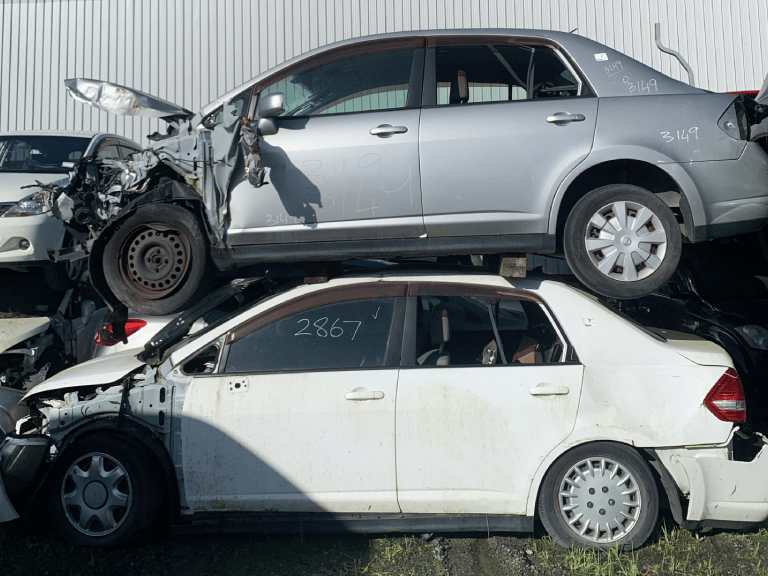
Safe Depollution and Environmental Handling
One of the most important parts of vehicle recycling is depollution.
This is the stage where harmful or hazardous materials are removed before the vehicle is dismantled further. That can include:
- fuel
- engine oil
- coolant
- brake fluid
- transmission fluid
- batteries
- tyres
This matters because old vehicles can contain substances that should never be left to leak into soil, drains, or the wider environment. Responsible depollution helps prevent:
- contamination
- unsafe handling
- unnecessary waste
- environmental harm
For vehicle owners, this is an important part of peace of mind. It means the vehicle is being processed properly rather than dumped, stripped carelessly, or left to become an environmental problem.
At Auto Wrecker NZ, responsible handling of fluids is part of the process.
What Parts Are Reused?
A big part of dismantling is recovering parts that are still in usable condition. Not every vehicle is suitable for resale, but many still contain components that can be reused. That helps extend the life of existing materials and reduces waste.
Common reusable components may include:
- lights
- doors
- panels
- mirrors
- starters
- wheels
- engines
- alternators
- gearboxes
- some interior & electrical components
The exact parts that are worth recovering will depend on:
- demand in the market
- vehicle condition
- make and model
- how complete the vehicle is
That demand can change over time, which is why not every part is equally valuable all year round.
This applies not only to cars, but also to:
- vans
- utes
- SUVs
- trucks
- commercial vehicles
What Materials Are Recycled?
Once reusable parts have been removed, the next stage is material recovery.
Most vehicles contain a large amount of recyclable material, especially metal. Common materials that can be recovered include:
- steel
- aluminium
- other metals
- some plastics
- rubber
- glass
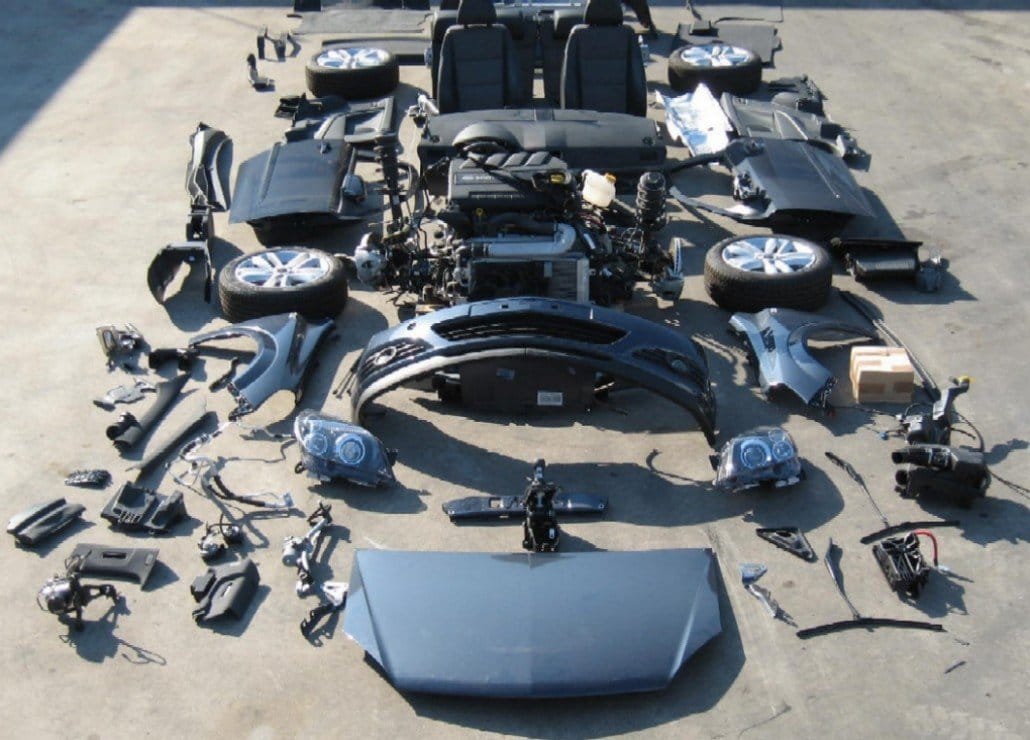
Metal is one of the biggest parts of this process. Once a vehicle shell has been stripped and processed, the remaining metal can be sent on for recycling and reused in future manufacturing.
This is one reason vehicle recycling matters so much. Instead of sending an entire car to landfill, large portions of the vehicle can be recovered and put back into use in one form or another.
Not every material can be recovered perfectly, and some components may still need to be disposed of responsibly, but proper dismantling greatly improves how much value can be saved from an end-of-life vehicle.
How Much of a Vehicle Can Actually Be Recycled?
This is one of the most common questions people have, and it is one that many recycling pages do not explain well. The short answer is: a significant portion of a vehicle can usually be reused or recycled through proper dismantling and processing.
That can include:
- reusable parts
- recyclable metal
- batteries
- wheels
- tyres
- certain other components depending on condition
What makes the biggest difference is not just the age of the vehicle, but how it is processed. If a vehicle is dismantled properly:
- valuable components can be recovered first
- usable parts can stay in circulation
- metals can be separated and recycled
- harmful materials can be removed safely
Some materials are harder to recover fully, such as certain plastics, fabrics, and heavily contaminated components. Those may still need to be disposed of through the appropriate waste stream.
But the overall goal of modern vehicle recycling is clear:
recover as much usable material and value as possible before the remaining shell is processed.
That is why dismantling matters so much. Without that step, much of the vehicle’s reusable value would simply be lost.
Why Responsible Vehicle Recycling Matters in New Zealand
Responsible vehicle recycling is not just about getting old cars off a property. It is about what happens next.
Done properly, vehicle dismantling and recycling can help:
- reduce landfill waste
- recover valuable materials
- keep reusable parts in circulation
- reduce the need for new raw materials
- prevent fluids and hazardous materials from being handled unsafely
For vehicle owners, this matters because it turns an unwanted vehicle into something more useful than waste. For the wider industry, it supports a more practical and responsible way of dealing with end-of-life vehicles.
And for businesses like Auto Wrecker NZ, it is part of doing the job properly.
With 10+ years of experience, licensed dismantlers, a Frankton-based operation, free vehicle removal, and a regional network across Waikato, Bay of Plenty, and Taranaki, the goal is not just to remove unwanted vehicles. It is to make sure they are processed in a way that recovers parts, recycles materials, and handles disposal responsibly.
If your vehicle is damaged, deregistered, unwanted, or no longer worth repairing, dismantling and recycling is often the smartest next step.
Ready to Remove and Recycle Your Vehicle?
If your vehicle has reached the end of its life, proper dismantling and recycling can be the most practical and responsible option.
We buy and remove:
- vans
- old cars
- non-runners
- damaged vehicles
- deregistered vehicles
- utes
- trucks
- machinery
- commercial vehicles
And we make the process simple with:
- free vehicle removal
- same-day pickup available
- paperwork handled
- support across Hamilton, Tauranga, Rotorua, Waikato, Bay of Plenty, and Taranaki
Call now or request a free quote online to find out the easiest way to remove your unwanted vehicle and have it processed responsibly.
No hidden towing costs. No hassle. Just a straightforward way to move on from an end-of-life vehicle.